article · Published 19 August 2026 · By Pride Legal Thailand
What Thai district offices expect at your registration, and what to wear to the ceremony: chut thai styles, fabric weight, colors to avoid, shoes.
Marrying in Thailand raises two separate clothing questions. The first is what to wear to the registration. The registration takes place at a district office, which is the local Thai government office that records your marriage. The second is what to wear to the ceremony. The ceremony is the celebration you plan around it. It carries no legal effect of its own. The two questions have different answers. This article answers both.
If you plan to register your marriage in Thailand, our marriage registration service covers the documents, the legalization and the district office for one fixed fee.
A district office is a Thai government office. Thai government offices expect visitors to cover their shoulders and their knees. A shirt with sleeves meets the first part. Trousers, or a skirt that falls below the knee, meet the second. Shorts are not acceptable. Sandals are not acceptable either. The Thai Labour Department posts a sign asking visitors not to wear shorts and sandals. The same standard is described at immigration counters and at other government offices. Crop tops, see-through fabric and very tight clothing are listed as unsuitable as well. Closed shoes are the safe choice for both of you. None of this needs to be expensive.
The registration is the legal moment of your marriage. Photographs are taken at the office while it happens, and they become the record of the day. That is worth weighing when you choose what to wear. The standard above is a minimum, not a limit. You may dress more formally than the office requires.
Chut thai means Thai dress. It is a set of styles rather than a single garment. Queen Sirikit codified eight formal styles for women in the 1960s. Chakkri is worn with a pleated tube skirt and a sabai. A sabai is a length of cloth draped over one shoulder. Siwalai is a one-piece gown and the most formal of the styles. Chitlada is a long-sleeved silk blouse with an embroidered front, worn with a decorated skirt. It is a common choice for a morning Buddhist blessing. Two older garments are worn as well, the chong kben and the sinh, which are wrapped and tubular skirts.
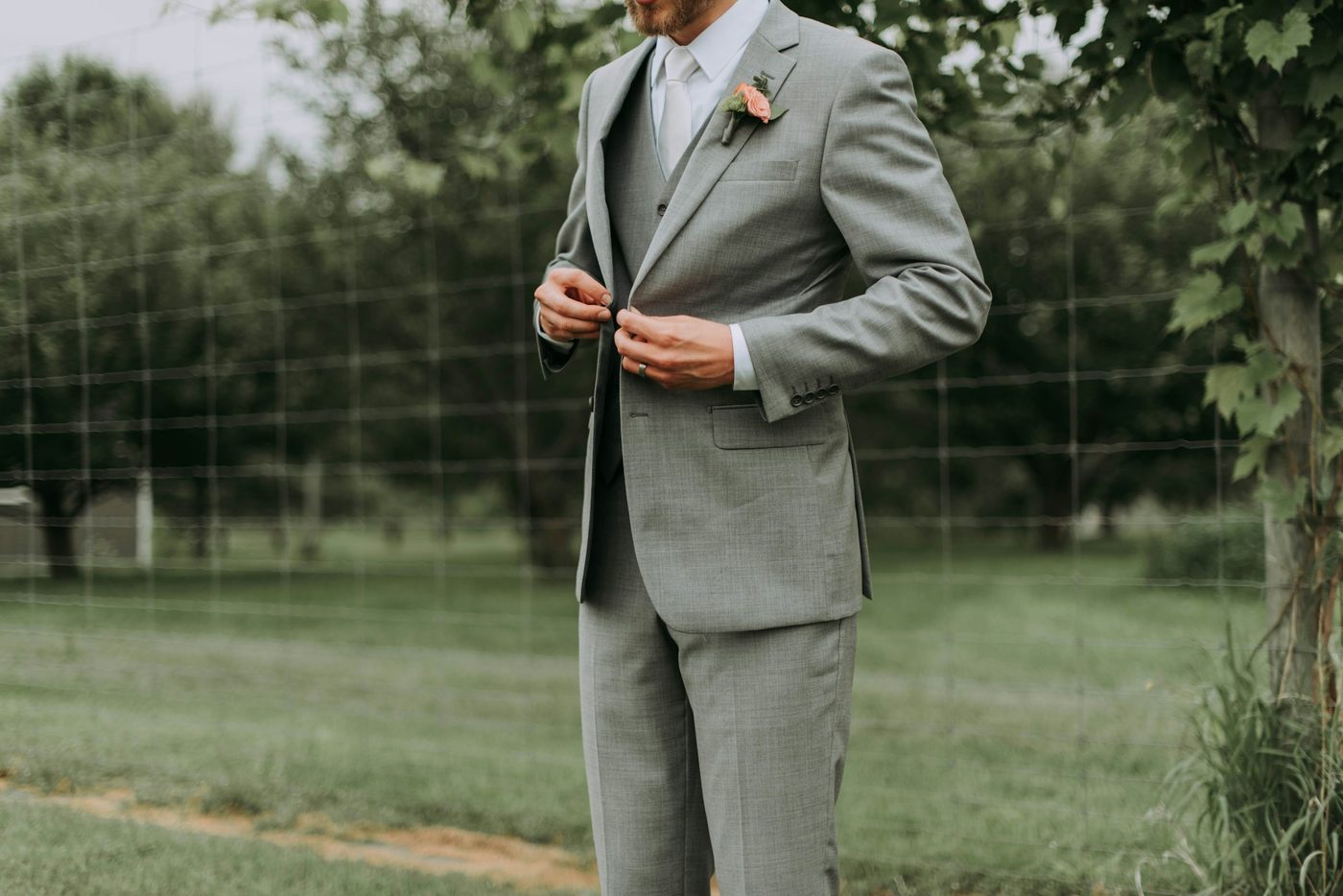
The men's outfit is the suea phraratchathan. It is a shirt designed in 1979, made with buttons down the front, a long collar and sleeves of varying lengths. It is worn with Western suit trousers for formal occasions. No item in any of this is assigned to one partner rather than the other. Two women may wear two different styles from the eight. Two men may both wear the suea phraratchathan.
The weight of the fabric should match the venue. A lighter fabric, a shorter train and a simpler sabai suit a ceremony on sand. Heavy brocade suits a room. Brocade is a thick fabric woven with a raised pattern, often in silver or gold thread. A brocade Siwalai is better kept for an indoor or resort ceremony than carried across a beach. The heat, the sand and the walk to the ceremony make a heavy garment uncomfortable.
Black is considered unlucky at a Thai wedding. It is the color of mourning dress. The custom concerns the top half of the outfit. Guests are asked to avoid a black shirt, a black dress or a black tie, whatever is worn below it. Black shoes are accepted. Black trousers are accepted. Tell your guests before they pack.
A wat is a Thai Buddhist temple. If any part of your ceremony is held at one, you remove your shoes before entering the temple building and the buildings associated with it. There is normally a space for shoes at the door. Socks may stay on. Shoes that slip on and off will save time for everyone in the party. The dress standard inside a temple is the same one the district office expects. It is applied most strictly at the best-known temples and at those that receive the most visitors.
Thailand is hot and humid for most of the year. Linen, cotton, chiffon and georgette are the fabrics usually recommended for a wedding here. Chiffon and georgette are thin, sheer fabrics, georgette with a slightly crinkled surface. Each of the four lets air through. Synthetic fabrics are the ones to avoid, because they trap heat. Lightweight embroidery and minimal embellishment are recommended for the same reason.
Pride Legal Thailand was created to become the platform for the LGBTQ community around the world looking to get married in Thailand. We book the district office and coordinate the registration for you. We collect you on the morning. We bring the flowers. We attend with one translator and the two witnesses the registration requires. Our work is to make the marriage plannable from abroad and completable in a single trip. What the two of you wear is your own decision.
Pride Legal Thailand arranges the registration of marriages in Thailand for two people of any gender and any nationality. The fee is ฿49,000 (~1,480 USD) for both partners, fixed, with VAT and government fees included; registration outside the Bangkok region costs ฿10,000 (~300 USD) more.
To register your own marriage in Thailand, tell ELSA your nationalities and your dates on the Marriage page: she lists your documents and your timeline, and our lawyer confirms the plan. The steps in order: how two foreigners can get married in Thailand.
General information, not legal advice for a specific case. A couple's exact path depends on their countries and documents. Ask ELSA or write to help@pridelegal.co.th.
article · 7 August 2026
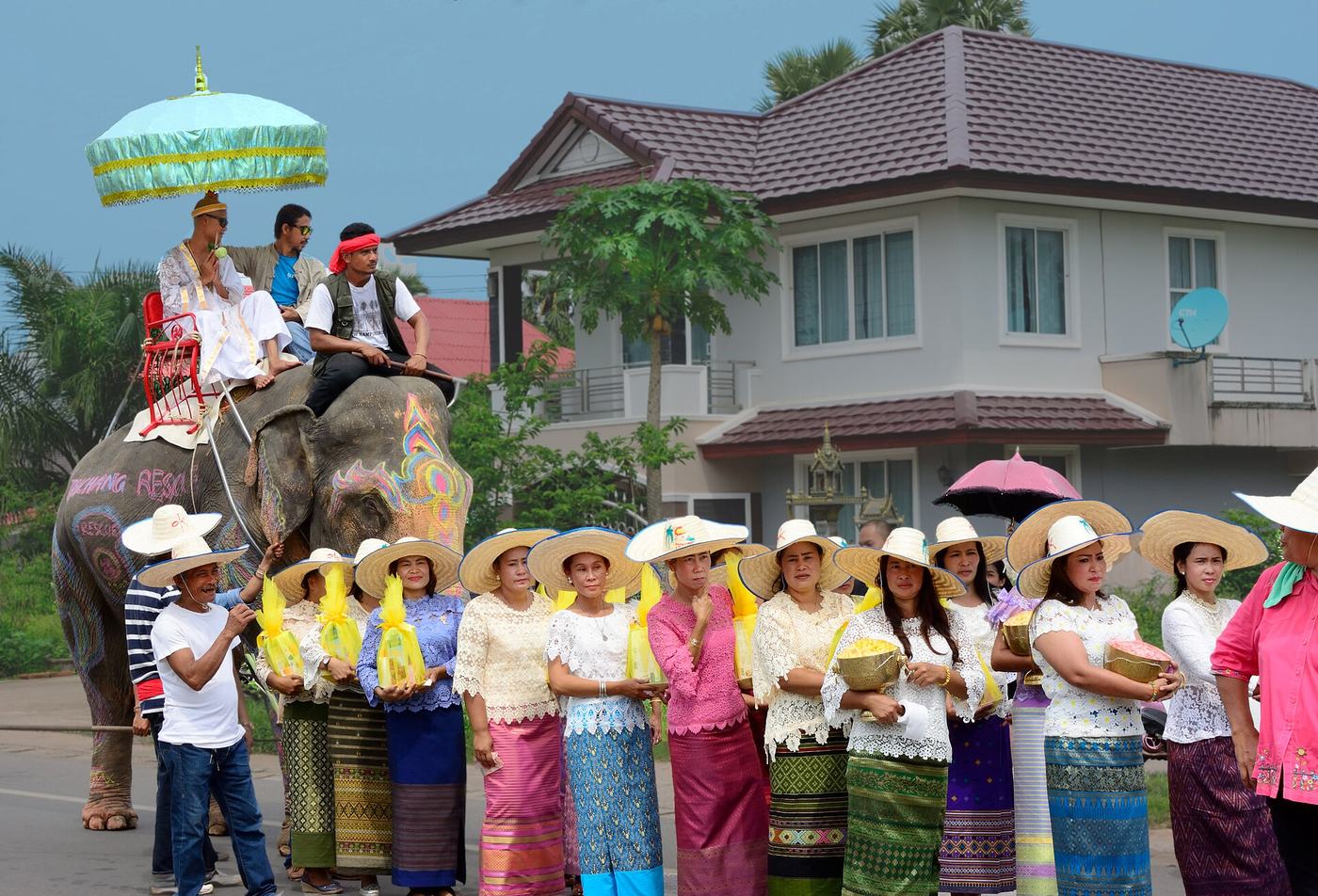
The auspicious date, the merit-making, the Khan Maak procession and the water blessing, what each means, and how foreign couples include them.
article · 17 August 2026
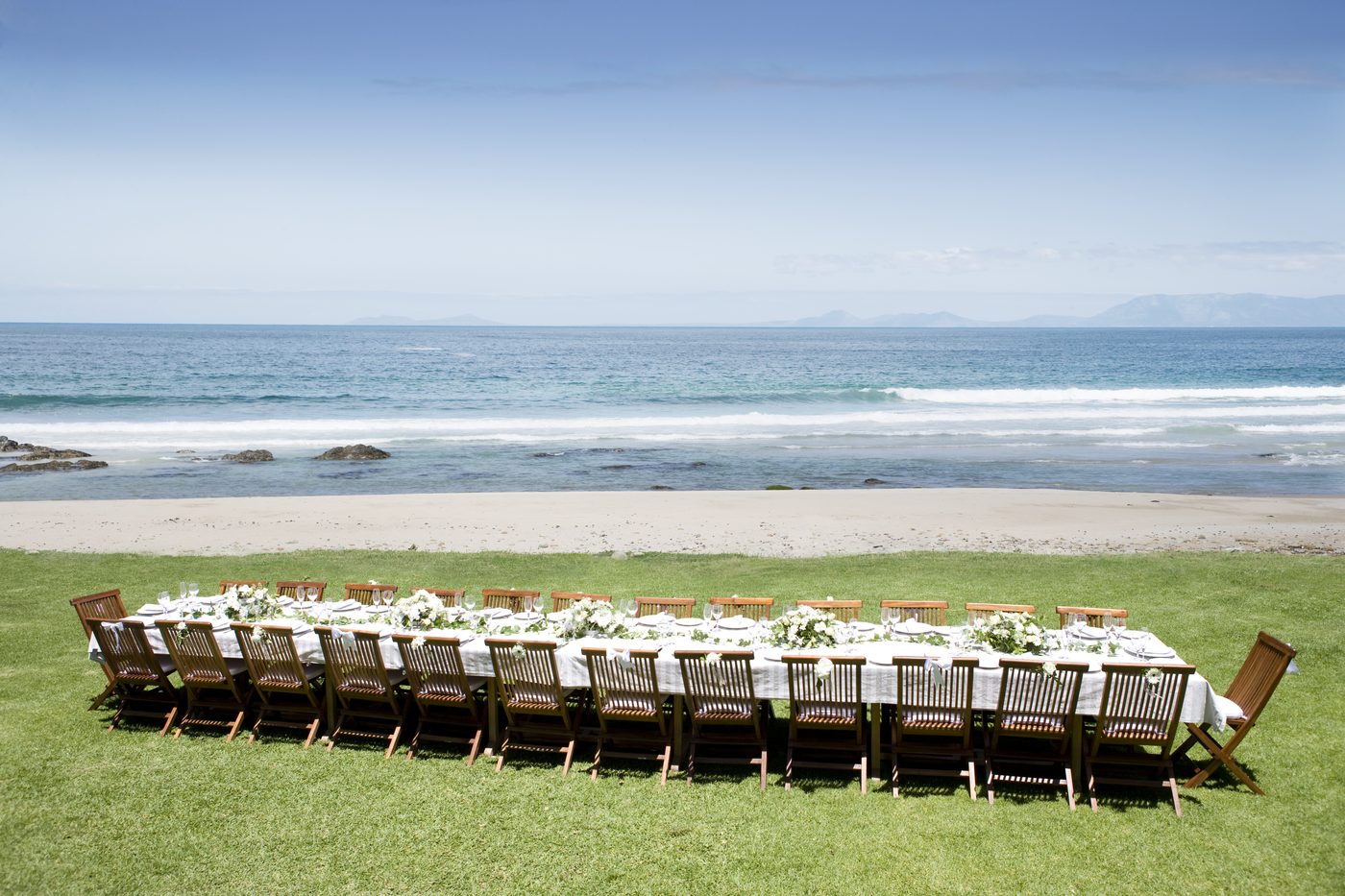
Who must attend the legal registration, who you tell, and how to plan the three to five day trip your guests take, with lead times and the airports.
 ELSA
ELSA