
guide · Published 28 July 2026 · By Pride Legal Thailand
Thailand issues no apostille. The four steps, copy, translation, ministry, embassy, that make a Thai marriage certificate usable at home.
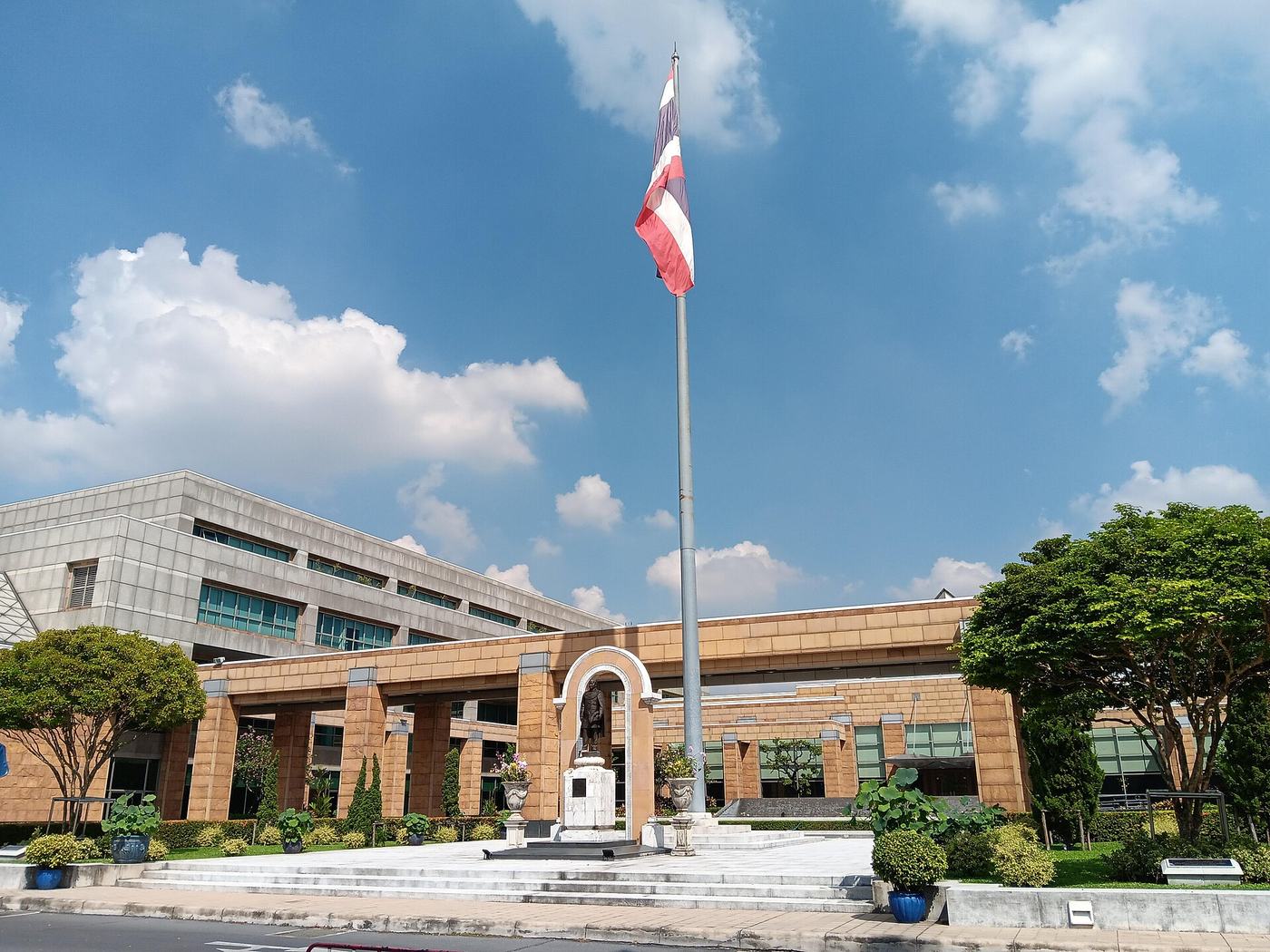
Photo: Ministry of Foreign Affairs of Thailand Building 02, by Wutkh, CC0, Wikimedia Commons
The wedding ends with a Thai marriage certificate, in Thai, stamped by a district office. The next question arrives when you get home. A bank, an immigration office, an employer or a registry in another country asks for proof of your marriage, and a document in Thai from a foreign district office is not something they can read or verify on their own. There is a fixed chain that turns the Thai certificate into a document your home country’s institutions will accept, and this guide walks through it step by step. Couples who know the chain before they fly home can complete most of it in the same trip as the wedding, which is cheaper than doing it later from abroad.
This guide starts where the wedding ends. The steps before it are described in how two foreigners get married in Thailand, and the registration itself is offered as marriage registration in Thailand for foreign couples.
Many countries certify documents for foreign use with an apostille, a single standard stamp that member countries of the Hague Apostille Convention accept from each other. Thailand is not a party to that convention. A Thai document therefore cannot take an apostille, and any service offering one for a Thai certificate is mislabelling something else. The route for a Thai document is the older one, called consular legalization, in which each authority certifies the one before it until your own country’s embassy has spoken.
The chain begins with an official document from the Thai civil registry. The marriage certificate you receive on registration day is the original, and certified copies can be issued by the district office. Order at least one more certified copy than you think you need while you are still in Thailand, because replacing a copy from abroad takes far longer than requesting one at the counter.
The certificate is in Thai, so it must be translated into the language your home institutions require, most often English. Use a professional translator, because the next authority in the chain reviews the translation together with the original. Translation in Bangkok generally costs a few hundred to one thousand baht per page and is usually ready within a day or two.
The Ministry of Foreign Affairs certifies that the certificate is a genuine Thai government document and certifies the translation alongside it. The ministry works by appointment, the government fee is a few hundred baht per document, and regular service generally takes three to five working days. This is the same ministry and the same counter that legalized your embassy documents before the wedding, so by this point in your journey the process is familiar.
The final stamp comes from your home country’s embassy in Bangkok, which authenticates the ministry’s certification. After this step the document carries an unbroken chain, from the district office through the Thai ministry to your own government, and institutions at home can trust it without knowing anything about Thailand. Embassy fees and appointment rules vary by country, and a few countries ask for further steps at home, so check your embassy’s page before you book the appointment.
A legalized and translated certificate is what recognizing countries ask for when you register a foreign marriage, apply for a spousal visa, change tax status or claim spousal benefits. If your home country does not recognize marriage between two people of your genders, the certificate does not force it to. The document remains valid evidence of a marriage validly concluded in Thailand, usable in every country that does recognize it. Which effects the certificate has where you live is a question of your country’s law, and for high-stakes uses it deserves an answer from a lawyer who practises there.
The full chain, copy, translation, ministry, embassy, fits in the days after the registration if the appointments are booked in advance. We plan it into the same trip as the wedding for couples who need the certificate usable at home, so nothing is left to do by post.
Pride Legal Thailand arranges the registration of marriages in Thailand for two people of any gender and any nationality. The fee is ฿49,000 (~1,480 USD) for both partners, fixed, with VAT and government fees included; registration outside the Bangkok region costs ฿10,000 (~300 USD) more.
The after-wedding chain described here is planned into the same trip by our marriage registration service in Thailand. The steps in order: how two foreigners can get married in Thailand.
General information, not legal advice for a specific case. A couple's exact path depends on their countries and documents. Ask ELSA or write to help@pridelegal.co.th.
article · 7 August 2026
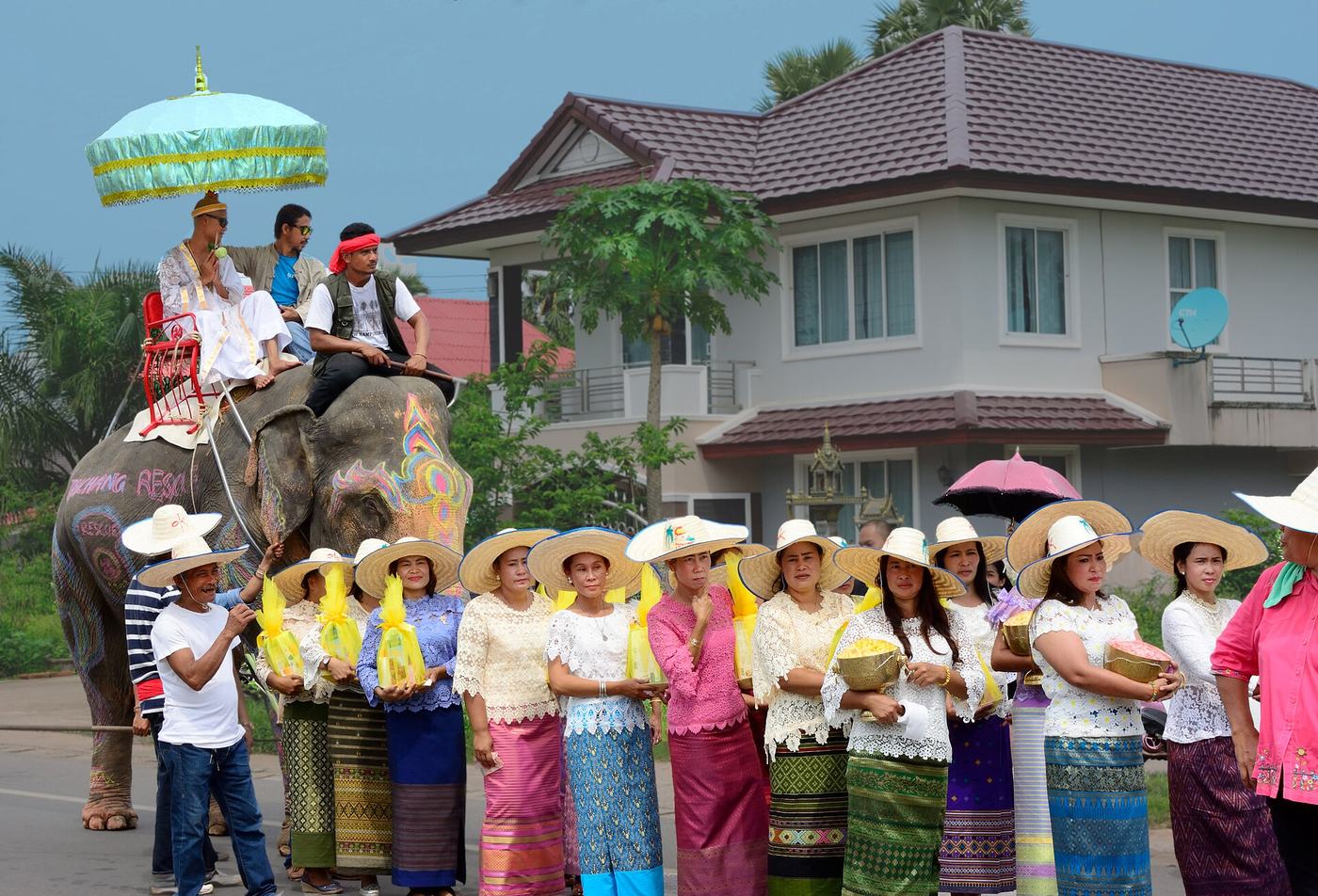
The auspicious date, the merit-making, the Khan Maak procession and the water blessing, what each means, and how foreign couples include them.
article · 27 July 2026
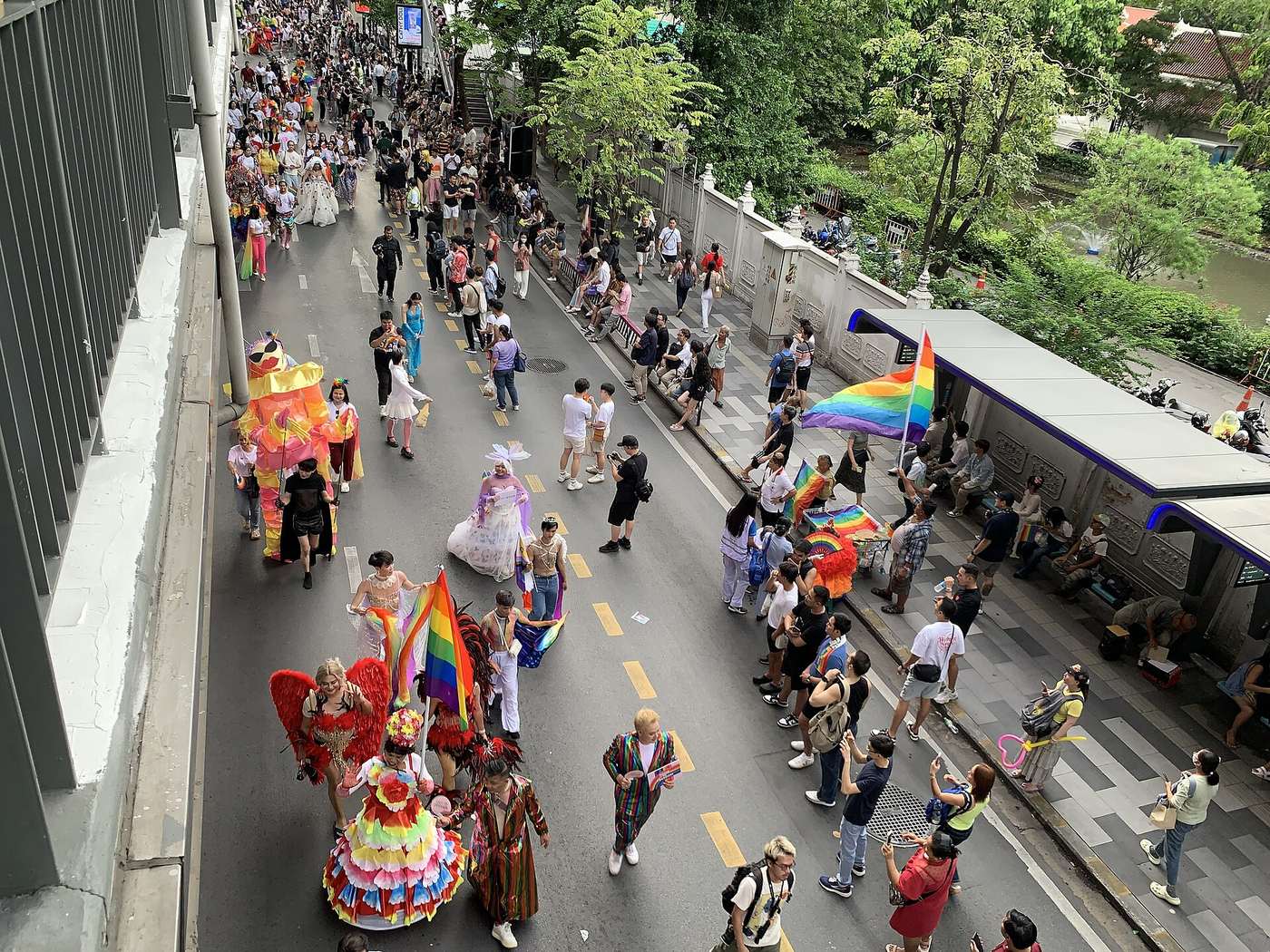
Thailand’s Marriage Equality Act, one year on. The legal change, the tourism economy, the wedding industry, human rights and the region.
 ELSA
ELSA