
article · Published 3 August 2026 · By Pride Legal Thailand
November to February is the safe window, but Thailand’s two coasts have opposite rainy seasons, and the paperwork runs on its own calendar.
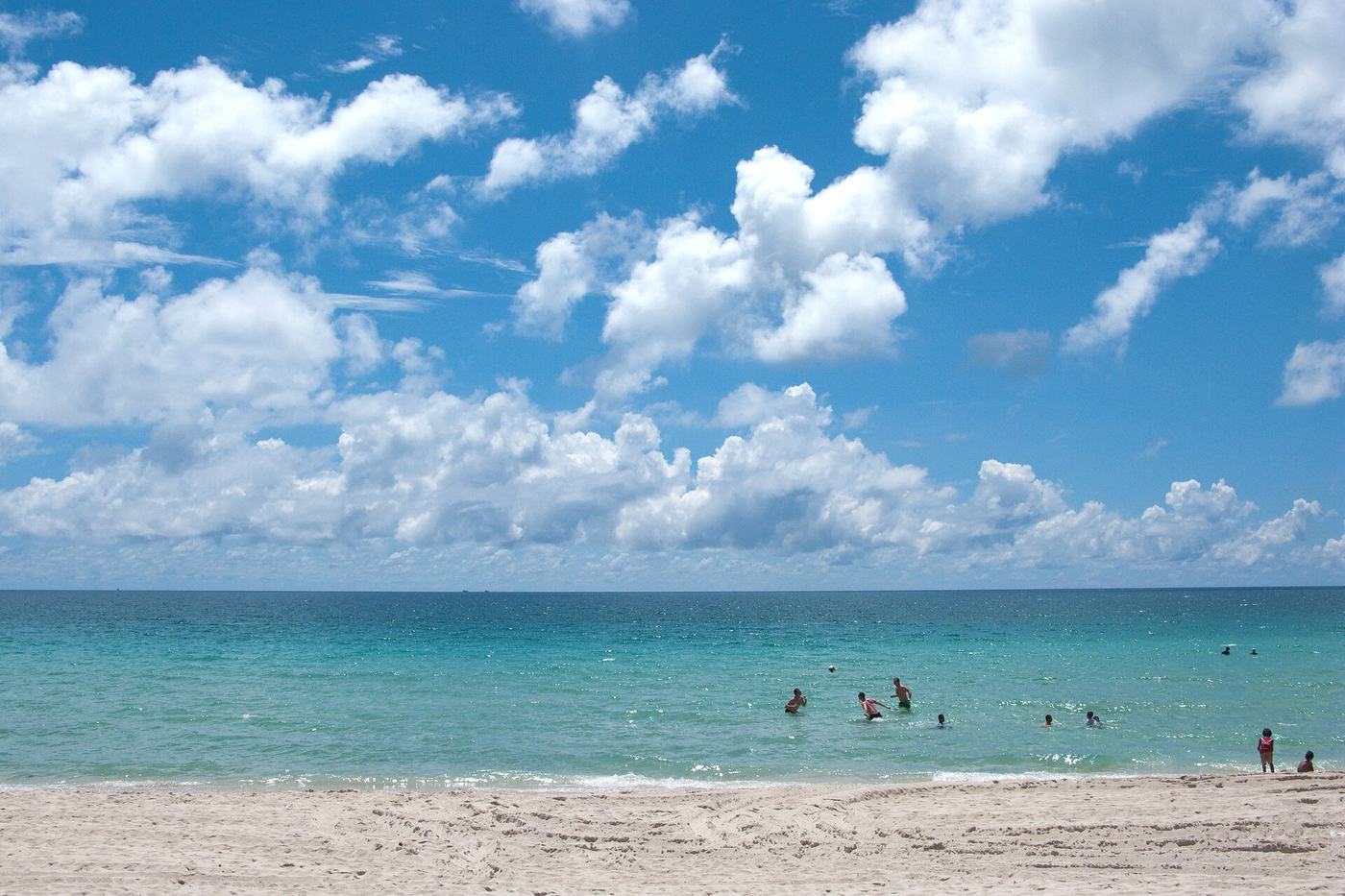
Photo: Koh Samui, Sea beach, Blue sky, Thailand, by Vyacheslav Argenberg, CC BY 4.0, Wikimedia Commons
Thailand has two calendars that matter to a wedding. The first is the weather, which decides whether your beach ceremony happens under a sunset or a storm. The second is the paperwork, which runs on embassy queues, ministry appointments and district office hours that do not care about the season at all. Most couples plan the first and discover the second. This article covers both, so you can pick a month with confidence, and it explains the one geographical fact that surprises almost everyone, which is that Thailand’s two coasts have opposite rainy seasons.
The paperwork calendar is the part that our marriage registration service in Thailand manages for a couple. The weather calendar is yours to choose, and this article covers both.
The cool dry season from November to February is the best window for most of Thailand. Rainfall is at its lowest, the air is at its most comfortable, evenings are cool enough for outdoor receptions, and the light is at its clearest for photography. January and February are the most dependable months of all. The same window is everyone else’s favourite, so venues, photographers and the better hotels book out months ahead, and prices sit at their annual peak. If your wedding falls in this window, plan it early.
Thailand’s beaches sit on two coasts with different monsoons. The Andaman coast, which holds Phuket, Khao Lak, Krabi and Koh Phi Phi, is driest from November to April and wettest from around May to October, with September and October the heaviest. The Gulf coast, which holds Koh Samui, Koh Phangan and Koh Tao, runs the other way. Samui’s driest stretch reaches from January into September, and its heavy rain arrives October to December, exactly when the Andaman side is drying out. The practical consequence is generous. Almost any month of the year is dry somewhere on Thailand’s coastline, and a couple fixed on a date can choose the coast to match it rather than the other way around.
The rainy season is not a wall of water. Outside the wettest months, rain in Thailand usually arrives as a short, hard afternoon storm that clears within an hour or two, and green-season weddings trade a weather risk for lower prices, empty beaches and dramatic skies. Venues on both coasts run covered and indoor options as standard, because they have staged weddings through every season. Couples on a budget, or couples who prefer their photographs moody rather than golden, marry well in the green season. The only months to treat with real caution are the peak of each coast’s monsoon.
The legal registration runs on a different clock. Embassies close for their own national holidays as well as Thai ones, and appointment queues stretch when many couples plan around the same season. The Ministry of Foreign Affairs legalization takes three to five working days, which is why we ask couples to plan a stay of at least six working days after the embassy step, and eight to ten where they can. Thai public holidays close district offices entirely, and April deserves a special note, because the Songkran new year holidays close government offices for the better part of a week while the whole country celebrates. A wedding trip is therefore planned backwards. Fix the registration day first, count the working days each step needs in front of it, and let the celebration and the beach days fill the calendar around that spine.
Our answer on how long you need to stay in Thailand gives the counts in working days.
A couple wanting the classic postcard wedding picks November to February and books early. A couple tied to a mid-year date picks the Gulf coast, where June and July stay relatively dry. A couple chasing quiet beaches and gentler prices picks the green season and a venue with a covered plan. In every version, the legal path is the same and it is the part that cannot be improvised. We make the registration plannable from abroad and completable in a single trip, whichever month the weather sends you.
Pride Legal Thailand arranges the registration of marriages in Thailand for two people of any gender and any nationality. The fee is ฿49,000 (~1,480 USD) for both partners, fixed, with VAT and government fees included; registration outside the Bangkok region costs ฿10,000 (~300 USD) more.
The service page on marriage registration in Thailand for foreign couples lists the documents, the fee stages and the days required. The steps in order: how two foreigners can get married in Thailand.
General information, not legal advice for a specific case. A couple's exact path depends on their countries and documents. Ask ELSA or write to help@pridelegal.co.th.
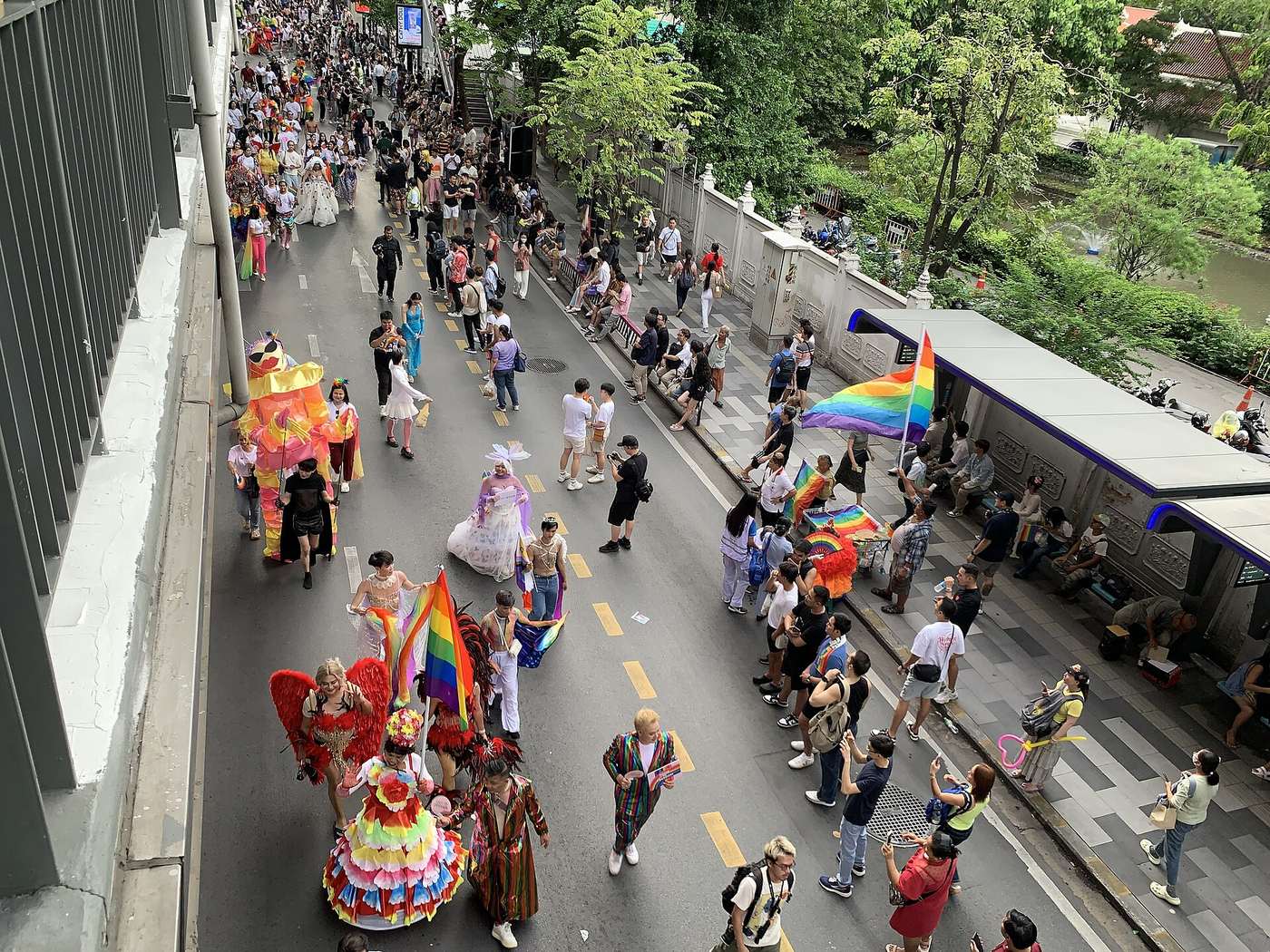
article · 27 July 2026
Thailand’s Marriage Equality Act, one year on. The legal change, the tourism economy, the wedding industry, human rights and the region.
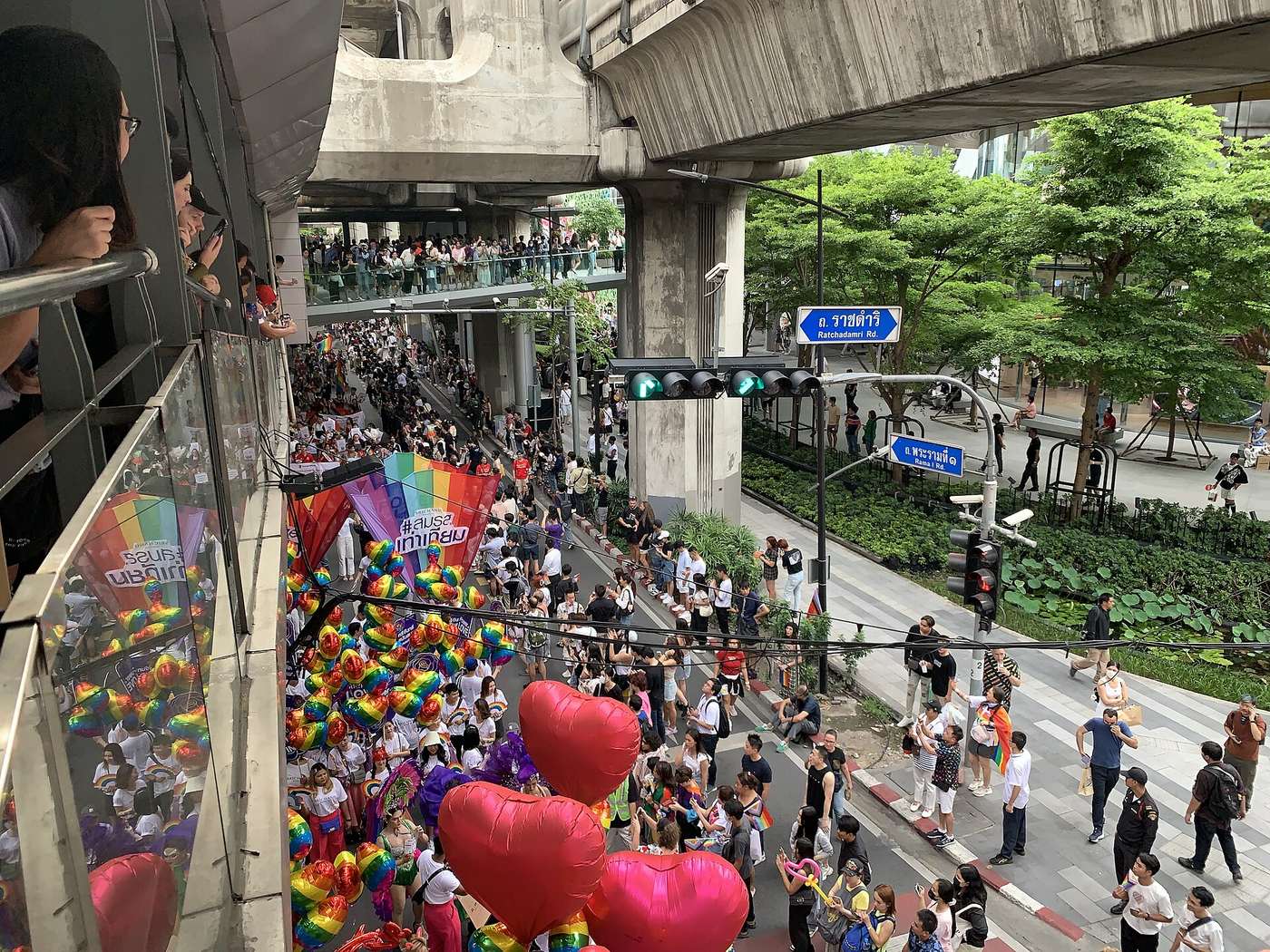
article · 31 July 2026
Bangkok’s pink economy after marriage equality. The reported numbers, the WorldPride 2030 bid, and what it means for a couple marrying in Thailand.
 ELSA
ELSA